
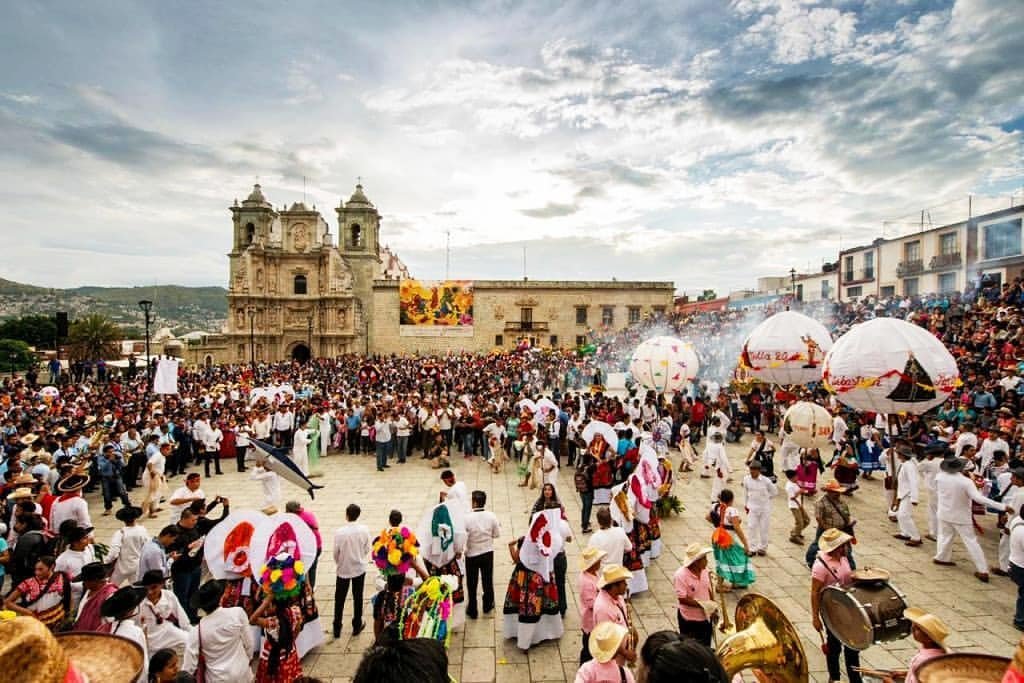
Nestled in the rugged mountains of southern Mexico, Oaxaca is widely celebrated as the country’s cultural heartland. From ancient Zapotec ruins and vibrant Indigenous customs to world-renowned culinary creations, Oaxacan culture offers a sensory journey unlike anywhere else in Mesoamerica.
Whether you are planning a trip or exploring Mexican heritage, this guide breaks down everything you need to know about Oaxaca’s rich history, traditions, food, and festivities.
How Do You Pronounce Oaxaca?
For English speakers, the spelling can be intimidating at first glance. The secret to pronouncing Oaxaca correctly lies in recognizing how letters sound in modern Mexican Spanish:
Phonetic Spelling:
wah-HAH-kah(orwuh-HAH-kuh)Audio Guide:
“Oa-“ sounds like “wah” (similar to water).
“-xa-“ sounds like “hah” (a strong, raspy h sound, like the Spanish j).
“-ca” sounds like “kah” (like cat without the t).
Liguistic Fact: If you hear people say “Was-haka,” that stems from how the letter “X” was pronounced in 16th-century Spanish (similar to the English “sh”). Over centuries, the pronunciation evolved into the soft, breathy “H” sound used today.
What Does “Oaxaca” Mean? (Etymology & Meaning)
The name Oaxaca comes from the Nahuatl language (the native language spoken by the Aztecs and neighboring peoples of central Mexico). It originates from the word Huaxyacac (pronounced wahsh-YAH-kahk), which breaks down into three root components:
Huaxi – The guaje (huaje) tree, a native legume plant.
Yacatl – Literally “nose,” metaphorically used to mean “top,” “peak,” or “beginning.”
-co – A locative suffix meaning “place” or “at.”
When combined, Huaxyacac translates to “at the top of the guaje trees” or “the place at the nose of the huaje.”
What Is a Guaje Tree?
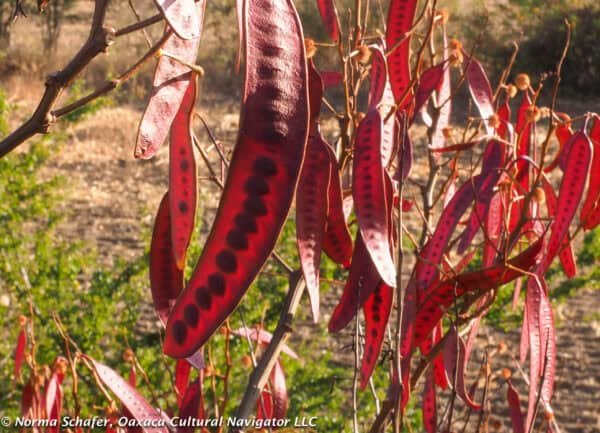
The guaje tree (Leucaena leucocephala) is an integral part of local ecosystems and culinary traditions across southern Mexico. The tree produces long, reddish-brown seed pods filled with flat green seeds.
From Nahuatl to Modern Spanish: How the Name Evolved
When Spanish conquistadors arrived in the Central Valleys of Oaxaca in the 1520s to establish a military post, they struggled to pronounce the original Nahuatl name Huaxyacac.
Step 1 (Nahuatl): Huaxyacac
Step 2 (Early Colonial Spanish): Guajaca
Step 3 (Modern Spanish Spelling): Oaxaca
The modern state and its capital city both carry this historic name today.
Beyond the Name: Oaxaca’s Deep Cultural Roots
While the name Oaxaca is Nahuatl in origin, the region itself is home to over 16 distinct Indigenous ethnolinguistic groups. The two largest and most prominent civilizations in the region are:
The Zapotecs: Renowned for constructing Monte Albán, one of Mesoamerica’s earliest urban centers, and for crafting intricate wool textiles in towns like Teotitlán del Valle.
The Mixtecs: Known historically as master goldsmiths and codex painters, holding deep ancestral roots in the rugged Mixteca highlands.
Today, Oaxaca remains Mexico’s cultural heartland—a place where ancient Indigenous heritage, vibrant artisanal crafts, and rich culinary history converge.
1. The 16 Indigenous Groups & Living Traditions
Oaxaca is home to one of the highest concentrations of Indigenous peoples in the Americas. More than 30% of the state’s population speaks an Indigenous language, preserving living traditions that have survived for millennia.
Oaxaca officially recognizes 16 distinct Indigenous groups:
Zapotec (Binnizá) – Predominant in the Central Valleys and the Isthmus of Tehuantepec.
Mixtec (Ñuu Savi) – Renowned historically for their codices and intricate metalwork, primarily located in the Mixteca region.
Mazatec, Chinantec, and Mixe (Ayöök) – Inhabiting the northern highland mountain ranges.
Chatino, Triqui, Cuicatec, Chontal, Amuzgo, Popoloca, Zoque, Ixcatec, Huave, Tacuate, and Nahua.
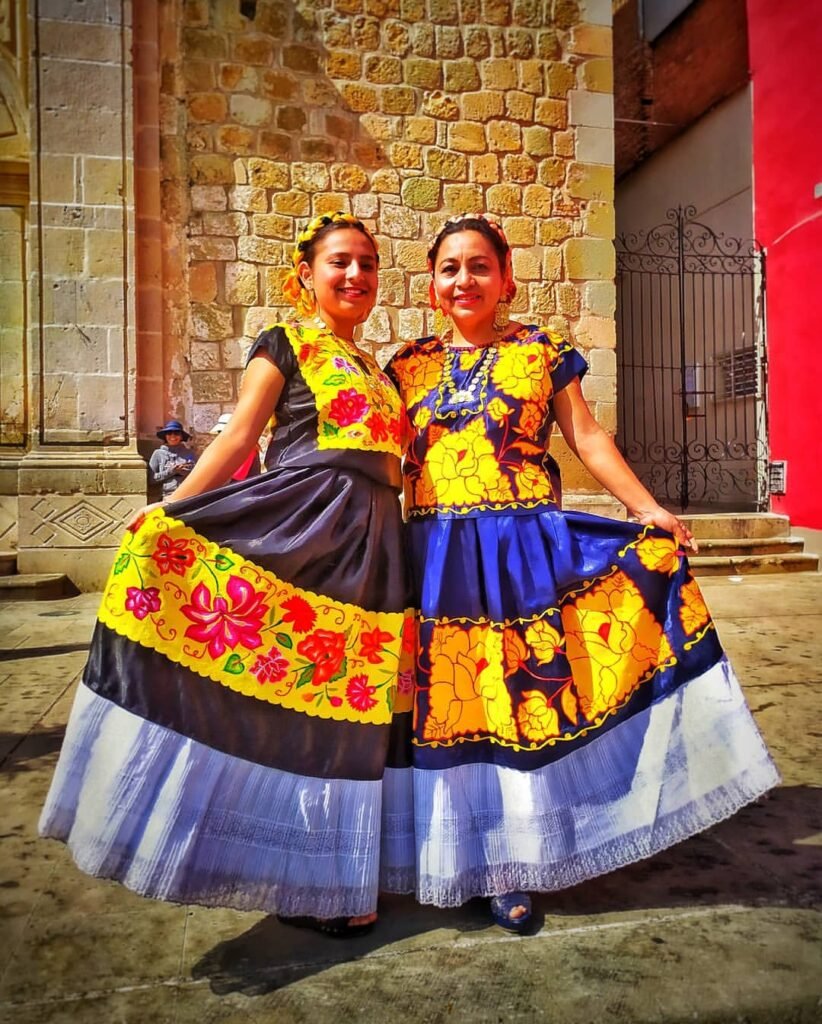
Each group maintains its own dialect, traditional dress (huipiles), identity, and ancestral territory.
Community and Tequio
Central to Oaxacan Indigenous life is the concept of tequio—unpaid, obligatory community labor where neighbors join hands to build infrastructure, organize festivals, and support civic projects. This deep sense of mutual aid forms the backbone of social life across Oaxacan villages.
2. The 8 Geographic Regions of Oaxaca
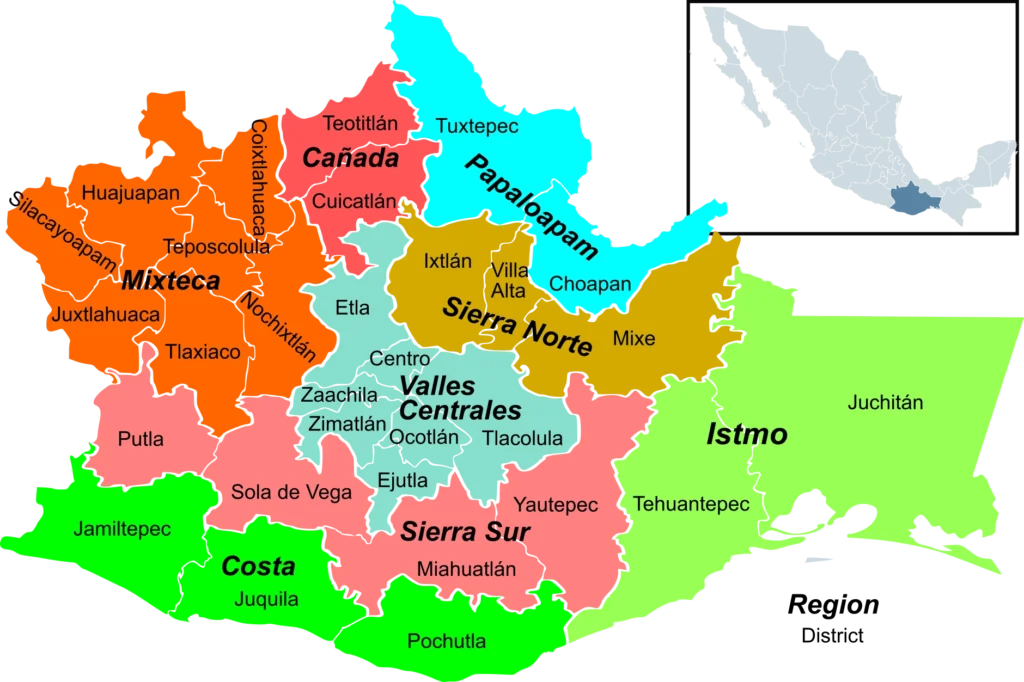
Oaxaca’s complex topography—spanning high mountain ranges, lush valleys, and Pacific coastline—has isolated communities over centuries, allowing distinct micro-cultures to flourish across its 8 official regions:
Valles Centrales (Central Valleys): The political and cultural hub surrounding Oaxaca City, home to ancient sites like Monte Albán and Mitla.
Sierra Norte: High-altitude pine forests known for eco-tourism and Zapotec mountain villages.
Sierra Sur: Misty slopes connecting the valley to the coast, famous for shade-grown coffee.
La Costa: The Pacific coastline featuring surf towns like Puerto Escondido and the pristine bays of Huatulco.
El Istmo (Isthmus of Tehuantepec): A matriarchal-leaning culture famous for elaborate embroidered velvet dresses and vibrant velas (festivals).
La Mixteca: Arid highlands rich in pre-Hispanic archaeological history and traditional crafts.
La Cañada: The smallest region, known for fertile canyons and medicinal herb traditions.
La Cuenca del Papaloapan: Tropical northern plains heavily influenced by Veracruzano music and sugar cane agriculture.
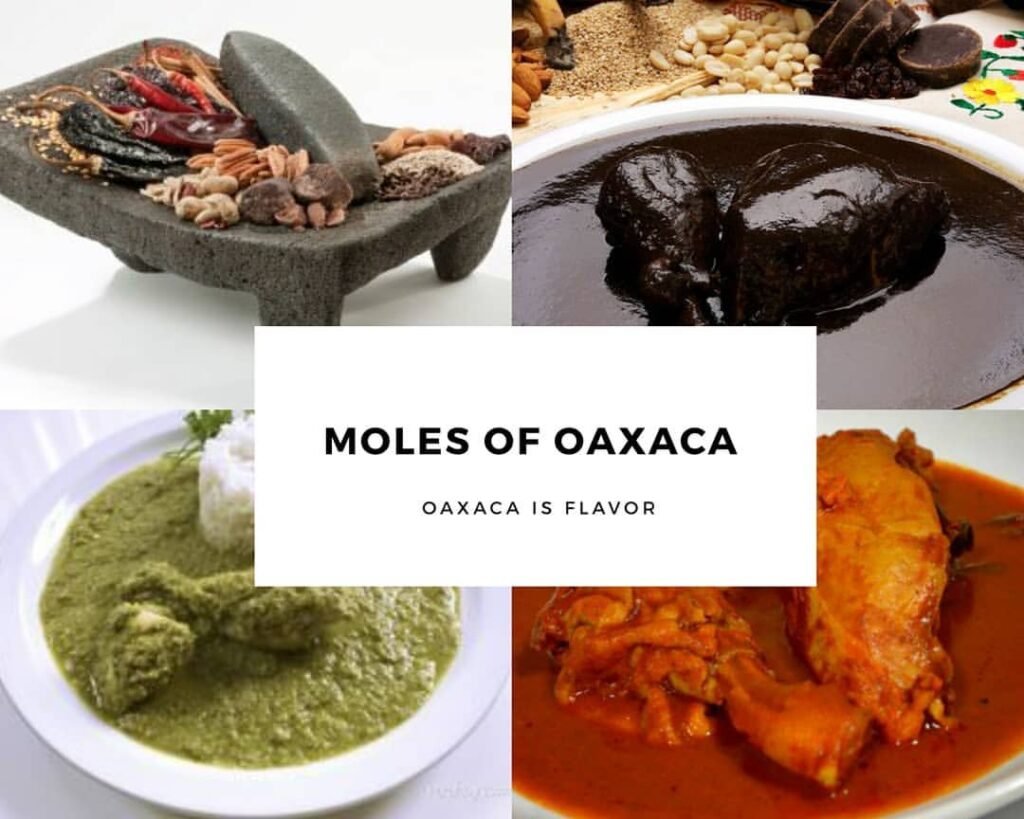
3. World-Renowned Oaxacan Gastronomy
Declared an Intangible Cultural Heritage by UNESCO, Oaxacan cuisine relies on complex pre-Hispanic techniques, heirloom corn varieties, and unique regional chiles.
The 7 Moles of Oaxaca: Complex sauces made from toasted chiles, seeds, nuts, and chocolate. The most famous is Mole Negro, alongside Coloradito, Manchamanteles, Verde, Amarillo, Chichilo, and Poblano.
Tlayudas: Often called “Oaxacan pizza” by international travelers—a large, crispy toasted tortilla spread with unrefined lard (asiento), refried black beans, quesillo (Oaxacan string cheese), cabbage, and grilled meats.
Chapulines: Grasshoppers toasted on a clay griddle (comal) with garlic, lime, and chili—a crispy, protein-rich delicacy dating back to pre-Columbian times.
Tamales Oaxaqueños: Corn masa filled with mole or savory meats, wrapped in banana leaves rather than corn husks for extra moisture and flavor.
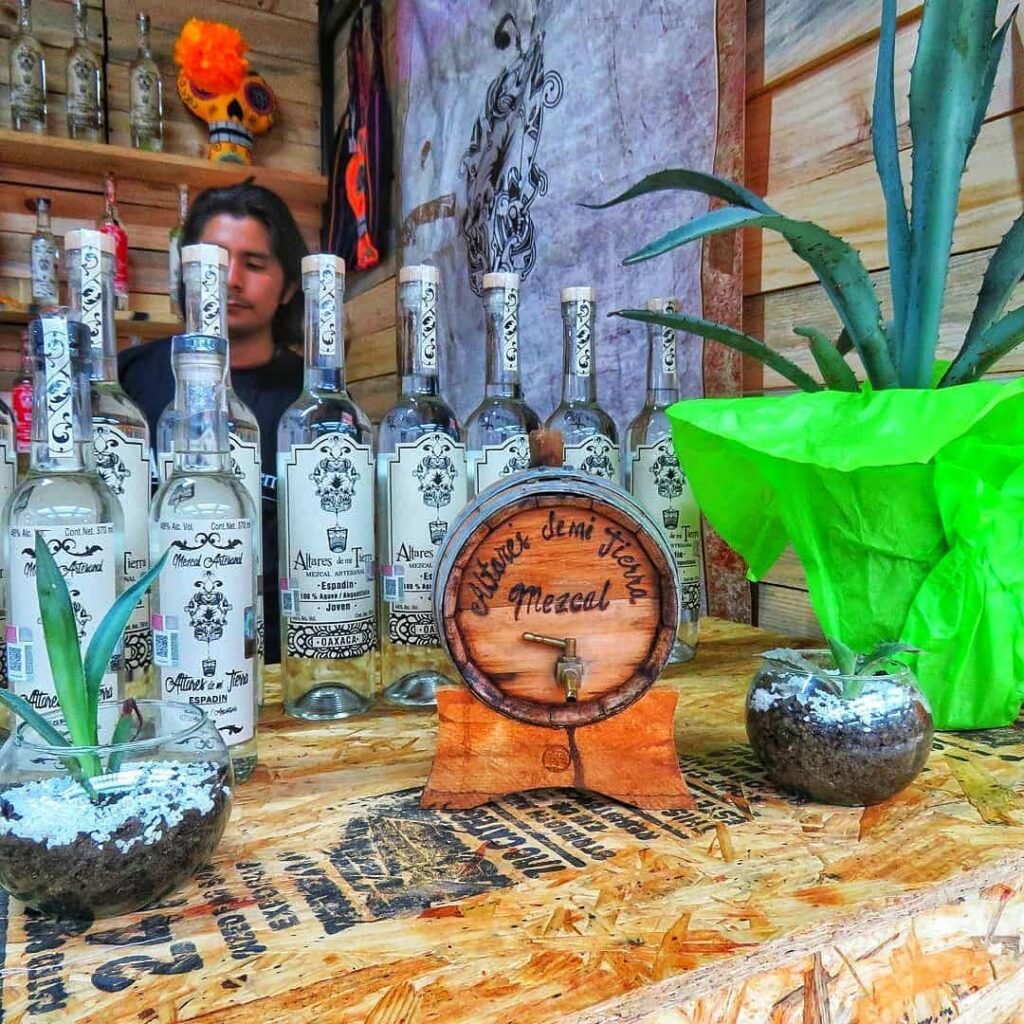
Artisanal Mezcal Culture
No culinary journey through Oaxaca is complete without Mezcal. Unlike tequila, which is mass-produced from a single agave species, artisanal mezcal is crafted from wild and cultivated agaves (such as Espadín, Tobalá, and Tepeztate). It is roasted in underground pit ovens, crushed by stone wheels (tahona), and distilled in copper or clay pots in local palenques.
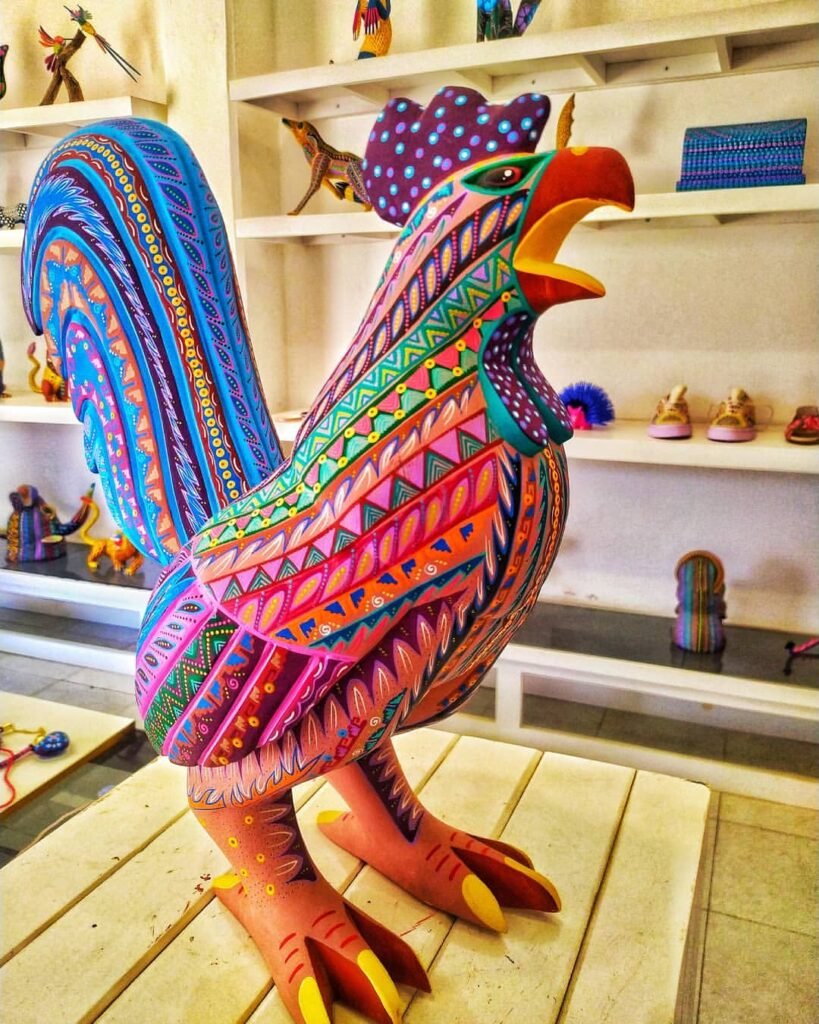
4. Master Craftsmanship & Artisanal Villages (Artesanías)
Oaxacan artisans are celebrated globally for passing techniques down through generations. Specific towns around the Central Valleys specialize in distinct art forms:
Alebrijes in San Martín Tilcajete & Arrazola: Intricately hand-carved copal wood figures painted with elaborate geometric patterns.
Woven Textiles in Teotitlán del Valle: Master weavers produce wool rugs using wooden treadle looms and natural dyes extracted from cochineal insects, indigo, and walnut shells.
Black Clay (Barro Negro) in San Bartolo Coyotepec: Distinctive metallic black pottery burnished with quartz stones before firing.
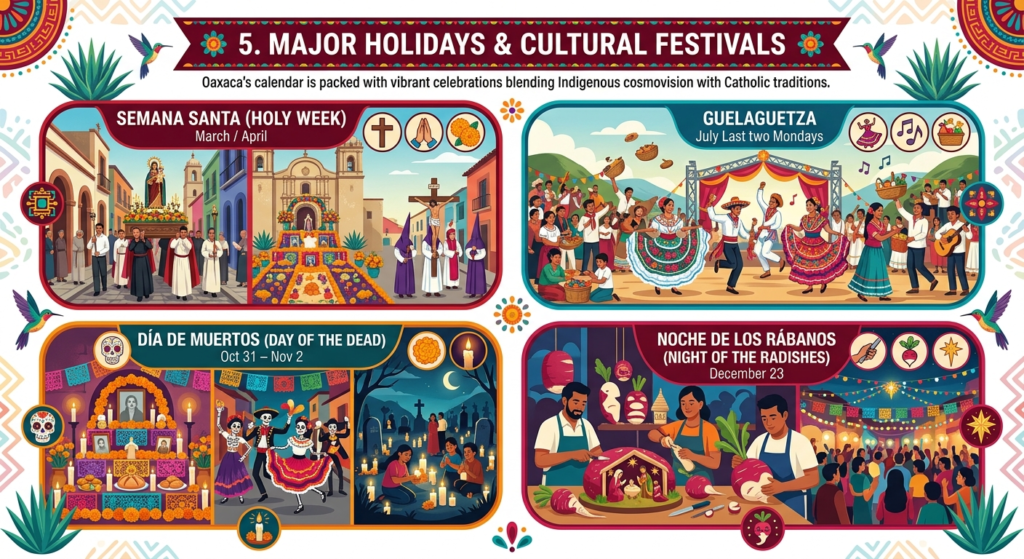
5. Major Holidays & Cultural Festivals
Oaxaca’s calendar is packed with vibrant celebrations blending Indigenous cosmovision with Catholic traditions.
Semana Santa (Holy Week) (March / April)
Silent processions through historic streets, floral altars, and religious reenactments.
Guelaguetza (July Last two Mondays)
Oaxaca’s largest cultural gathering, featuring traditional dances, music, and gifts shared among all 8 regions. Read more about Guelaguetza in Oaxaca Mexico
Día de Muertos en Oaxacaca (Day of the Dead in Oaxacac) (Oct 31 – Nov 2)
Marigold-adorned altars (ofrendas), lively comparsas (street parades), and nocturnal cemetery vigils honoring ancestors. check out our Day of the Dead in Oaxaca: An Insider’s Guide by a Local Oaxaqueño.
Noche de los Rábanos (Night of the Radishes) (December 23)
A unique competition where artisans carve intricate nativity scenes and historical figures out of oversized radishes.
Final Thoughts
Oaxacan culture is not a static history lesson; it is a dynamic, living way of life visible in daily morning markets, village assembly meetings, and street celebrations. Exploring Oaxaca means honoring the deep roots of its 16 Indigenous nations and experiencing one of the richest cultural landscapes in North America.