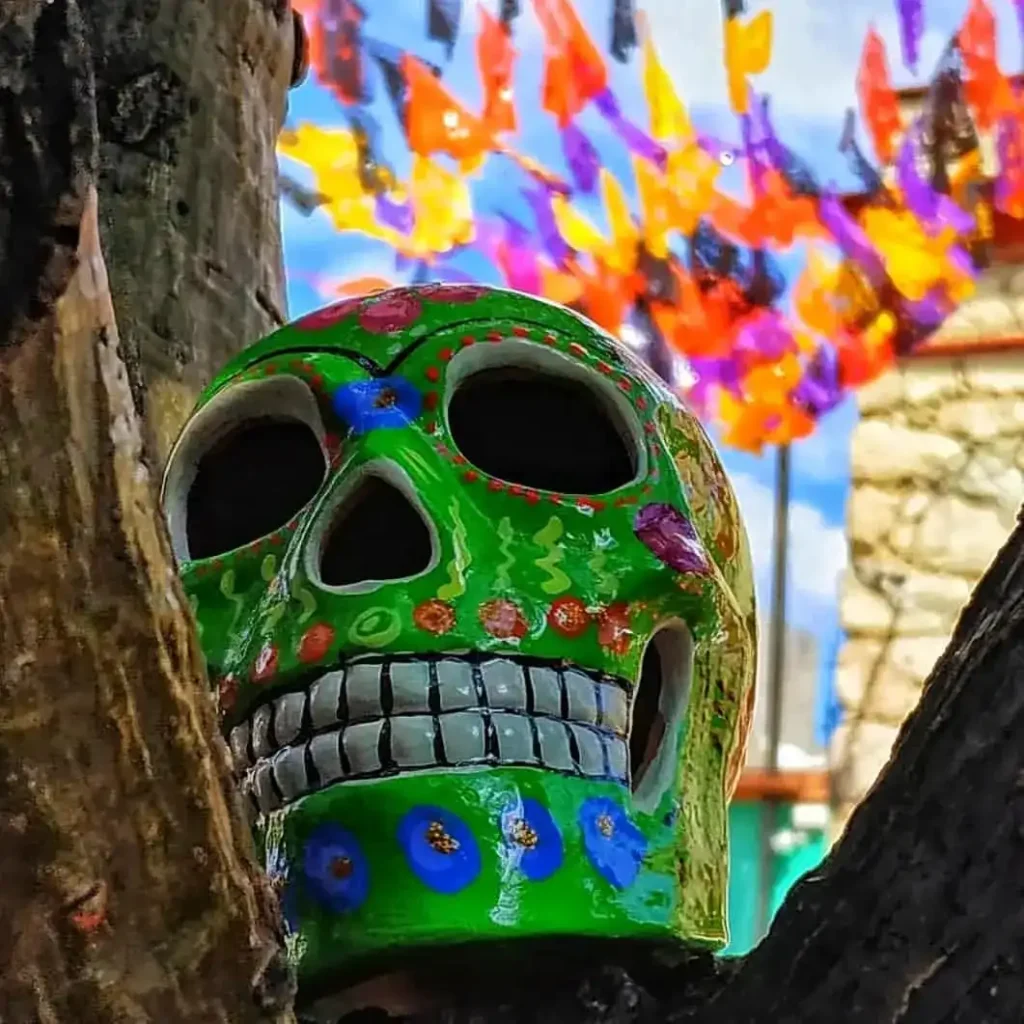
In Mexican culture, we have a saying: a person only truly dies when they are forgotten.
El Día de Muertos (Day of the Dead) is a cherished Mexican tradition where families come together to remember ancestors and loved ones who have passed away. Rather than mourning with sadness, we celebrate their memories with joy, color, music, and food.
If you want to understand the true origin, meaning, and traditions behind Mexico’s most famous holiday, here is everything you need to know.
Why Do Mexicans Celebrate Day of the Dead?
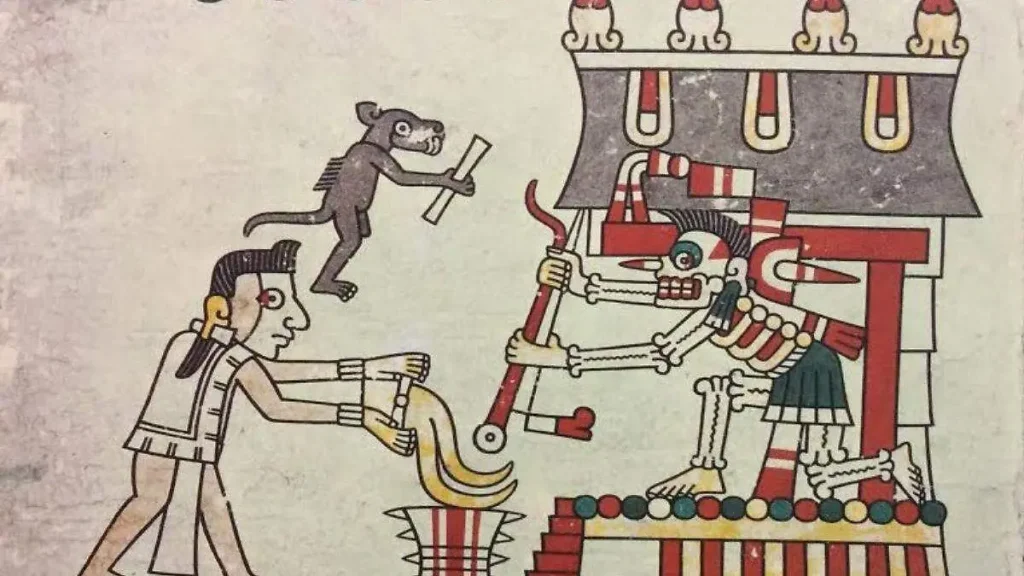
The origins of Day of the Dead (Día de Muertos) lie deep in indigenous Mesoamerican worldviews, particularly among the Aztec, Maya, and Zapotec cultures. Historically, this period marked the end of the agricultural harvest in late autumn. Indigenous communities believed that during this transition, the gates between the world of the living and the spirit realm opened briefly, allowing souls to return home.
With the Spanish arrival in the 16th century, these ancestral traditions blended with Catholic observances—specifically All Saints’ Day and All Souls’ Day—creating the unique syncretic holiday celebrated across Mexico today.
Is the Day of the Dead recognized by the UNESCO?
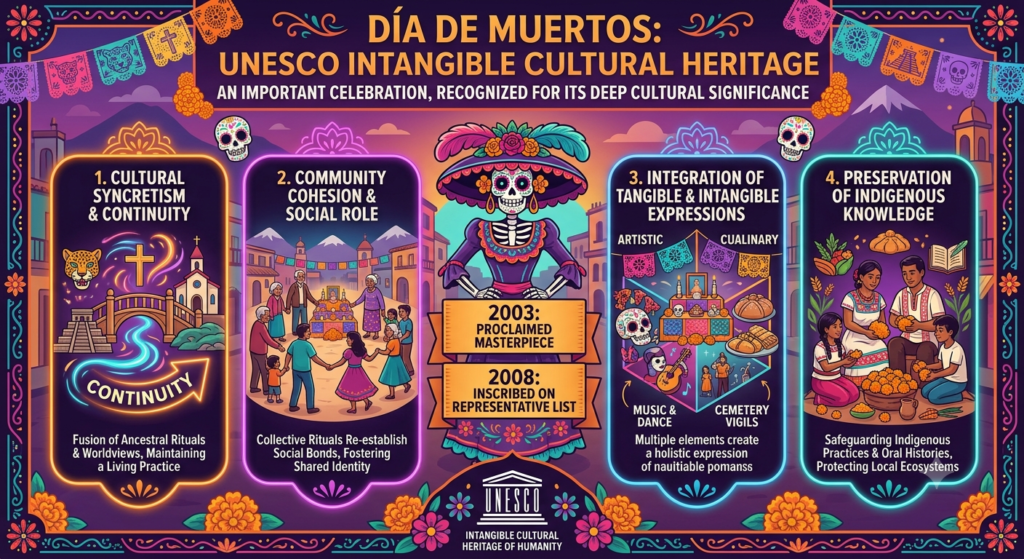
Yes. UNESCO officially recognized the Día de Muertos (Day of the Dead) as an Intangible Cultural Heritage of Humanity on November 7, 2003 (and formally inscribed it onto the Representative List in 2008 when the list was established).
The decision was made based on several key cultural and social criteria:
1. Cultural Syncretism and Continuity
UNESCO acknowledged the holiday as a profound fusion of pre-Hispanic indigenous rituals and Catholic traditions introduced by the Spanish. It preserves ancestral worldviews—particularly indigenous Mesoamerican perspectives on life, death, and the cosmos—while maintaining a continuous, living practice across generations.
2. Community Cohesion and Social Role
Rather than being a somber or strictly private event, Día de Muertos functions as a collective community practice. It re-establishes social bonds within families and local groups, fostering a sense of shared identity, belonging, and cultural continuity across diverse regions.
3. Integration of Tangible and Intangible Expressions
The holiday encompasses a wide array of oral, artistic, and ritual traditions, including:
The Ritual of Ofrendas (Altars): Offering food, water, cempasúchil (marigolds), candles, and personal objects to welcome the souls of the deceased back to the living world.
Artistic & Culinary Arts: Handcrafted elements like papel picado, sugar skulls (calaveras), special gastronomy (such as pan de muerto), and traditional music/vigils in cemeteries.
4. Preservation of Indigenous Knowledge
The recognition explicitly highlighted the celebration “as practiced by the indigenous communities of Mexico.” UNESCO aimed to raise global awareness about the importance of safeguarding indigenous knowledge, local agriculture (such as marigold cultivation), and oral history against the threats of commercialization and cultural erosion.
When Is Day of the Dead Celebrated?
While the official holiday takes place on November 1st and 2nd, preparations start earlier:
October 31st: Families head to local markets (mercados) to buy fresh cempasúchil flowers, sugar skulls, candles, and traditional foods to build their altars (ofrendas).
November 1st (Día de los Inocentes / Angelitos): Dedicated to the spirits of children who passed away. According to belief, their souls arrive at midnight on October 31st and stay until midday on November 2nd.
November 2nd (Día de los Fieles Difuntos): Dedicated to adult spirits, who arrive to enjoy the offerings prepared by their loved ones.
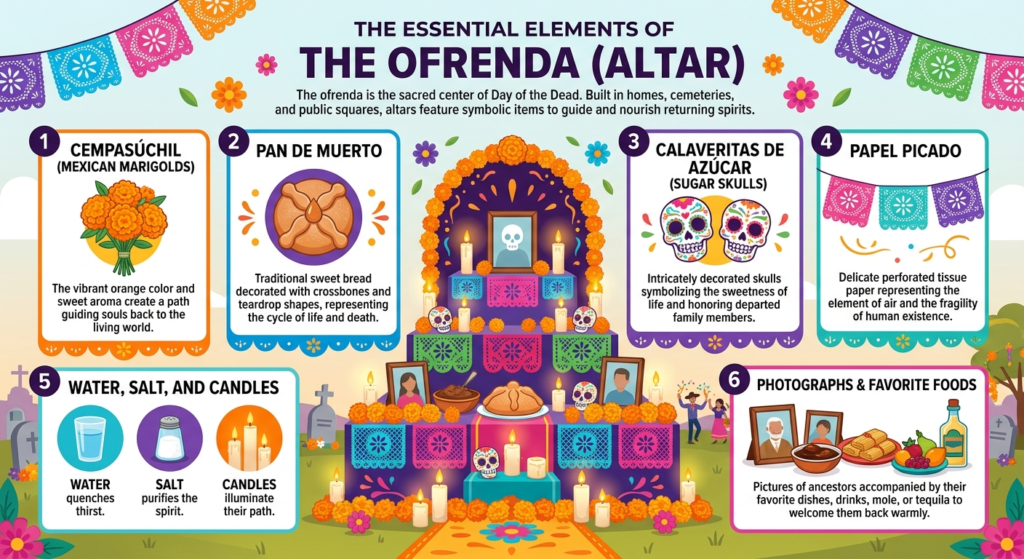
The Essential Elements of the Ofrenda (Altar)
The ofrenda is the sacred center of Day of the Dead. Built in homes, cemeteries, and public squares, altars feature symbolic items to guide and nourish returning spirits:
Cempasúchil (Mexican Marigolds): The vibrant orange color and sweet aroma create a path guiding souls back to the living world.
Pan de Muerto: Traditional sweet bread decorated with crossbones and teardrop shapes, representing the cycle of life and death.
Calaveritas de Azúcar (Sugar Skulls): Intricately decorated skulls symbolizing the sweetness of life and honoring departed family members.
Papel Picado: Delicate perforated tissue paper representing the element of air and the fragility of human existence.
Water, Salt, and Candles: Water quenches the soul’s thirst after a long journey, salt purifies the spirit, and candles illuminate their path.
Photographs & Favorite Foods: Pictures of ancestors accompanied by their favorite dishes, drinks, mole, or tequila to welcome them back warmly.
Day of the Dead in Mexican Art & Folklore
Art plays a central role in how Mexicans depict death:
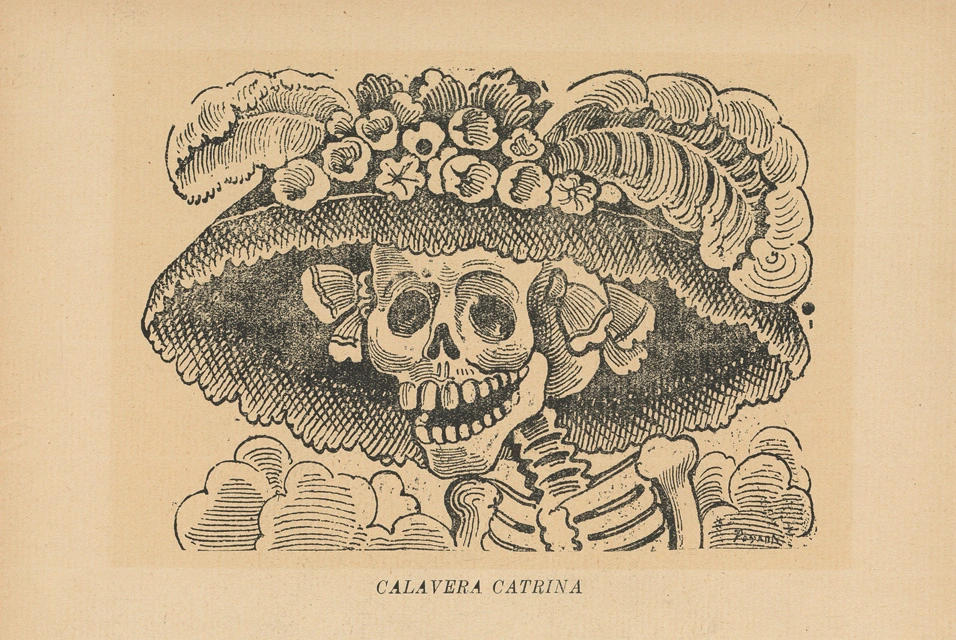
José Guadalupe Posada & La Catrina: Printmaker José Guadalupe Posada created the iconic Calavera Garbancera as a satirical critique of Mexicans who denied their indigenous heritage. Later, muralist Diego Rivera renamed her La Catrina, cementing her as the global symbol of Día de Muertos.
Calaveras Literarias: During the holiday, newspapers and magazines publish satirical poems called calaveras literarias. Written in lighthearted rhyming verse, these poems poke fun at politicians, celebrities, or friends as if Death were visiting them.
Day of the Dead Music: Songs for Your Travel Playlist
Music accompanies the spirits on their journey. Add these classic and contemporary tracks to your Día de Muertos playlist:
“La Llorona” – Natalia Lafourcade
“Brindo por la Vida” – Mario Bautista
“Dicen Que La Muerte” – Rodrigo González
“Entre Flores” – Los Vaguens
“La Bruja” – Traditional Mexican Folk (Veracruz
Day of the Dead in Cinema: Beyond Pixar’s Coco
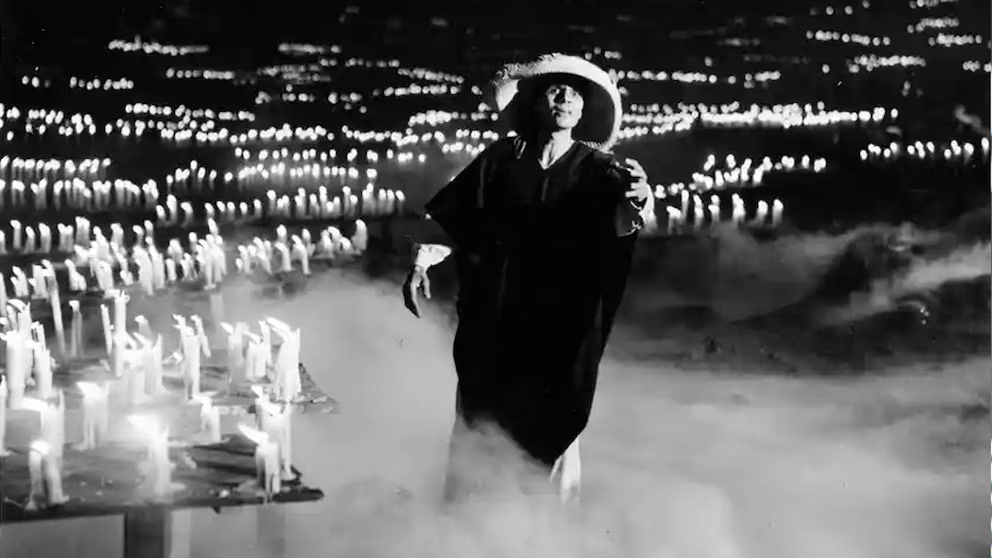
While Pixar’s Coco brought the beauty of this holiday to an international audience, Mexican cinema has its own legendary masterpiece: Macario (1960).
Directed by Roberto Gavaldón, Macario is a cult classic that explores a poor woodcutter’s encounter with Death on the eve of Day of the Dead. It is widely regarded as one of the best films in Mexican history and is a must-watch for film enthusiasts.
Respectful Tips for Travelers
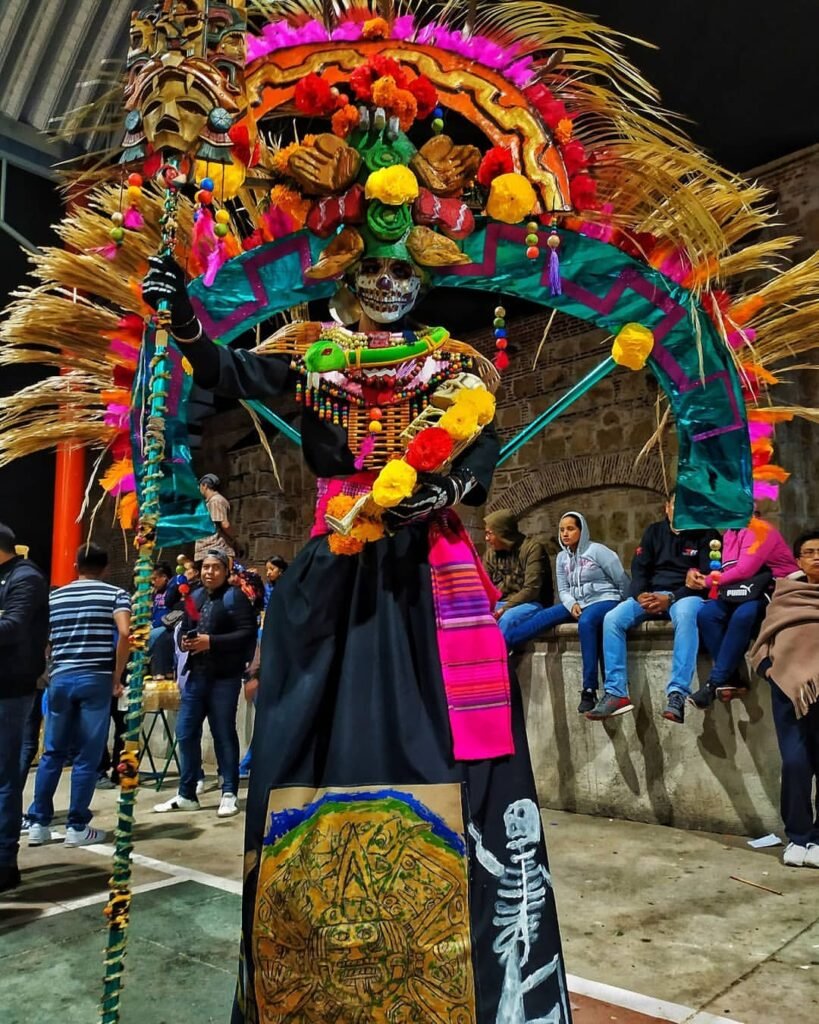
If you plan to visit Mexico during Día de Muertos (popular destinations include Oaxaca, Pátzcuaro/Janitzio in Michoacán, and Mixquic in Mexico City):
Respect Cemeteries: Remember that pantheons are sacred spaces where families gather to remember loved ones. Always ask before taking photos of individuals or private altars.
Support Local Artisans: Purchase your papel picado, pan de muerto, and sugar skulls from traditional street markets to support local families.
You might be interested in reading The Day of the Dead in Oaxaca
Frequently Asked Questions (FAQ) for Visitors
1. Do you say “happy Día de los Muertos” in Mexico?
No, people in Mexico generally do not say “Happy Day of the Dead” or “Feliz Día de los Muertos.” Because it is a sacred, deeply reflective remembrance honoring deceased loved ones rather than a festive holiday like Christmas or New Year’s, wishing someone a “happy” day feels unnatural and misses the point of the occasion. Instead, common expressions used are “Feliz Día de Todos los Santos” (for November 1st, referencing All Saints’ Day) or simply acknowledging the traditions by saying “Recordando a nuestros fieles difuntos” (remembering our faithful departed) or sharing memories of those who have passed away.
2. Is Day of the Dead a Mexican Halloween?
No, Day of the Dead is not a Mexican version of Halloween, despite falling around the same time of year (October 31 to November 2) and sharing some imagery like skulls and skeletons. For a deeper look at how these traditions contrast, check out this guide on Día de Muertos vs. Halloween.
Origins: Halloween stems from ancient Celtic roots (Samhain) and Christian traditions focused on warding off evil spirits and ghosts. Día de los Muertos is rooted in indigenous Mesoamerican (primarily Aztec and Nahua) rituals blended with Spanish Catholic traditions, built around the belief that the veil between worlds temporarily lifts so families can joyfully welcome back their deceased loved ones.
Tone and Purpose: Halloween is centered on costuming, scares, trick-or-treating, and playful frights. Día de los Muertos is centered on reverence, memory, family history, and love, treating death not as something to fear or mock as a monster, but as a natural, accepted phase of the human cycle.
3. Is Day of the Dead a sad celebration?
No, Día de los Muertos is fundamentally not a day of grief or mourning, though it does deal with the loss of loved ones. While tears and missing those who have passed are certainly part of the human experience, the core atmosphere of the celebration is vibrant, warm, and uplifting.
Families view the holiday as a joyful family reunion across the veil. They fill the air with music the deceased enjoyed, tell humorous or fond stories about their lives, and decorate glowing altars with favorite foods, sweet pan de muerto, and bright marigolds. It is a celebration of enduring love and the belief that souls only truly die when they are forgotten.
Final Thoughts
El Día de Muertos is not a spooky or scary event like Halloween—it is a heartfelt celebration of memory, love, and community. We honor those who came before us as if they were still standing among us. Because in the end, solo muere aquel que es olvidado (only those who are forgotten truly die).