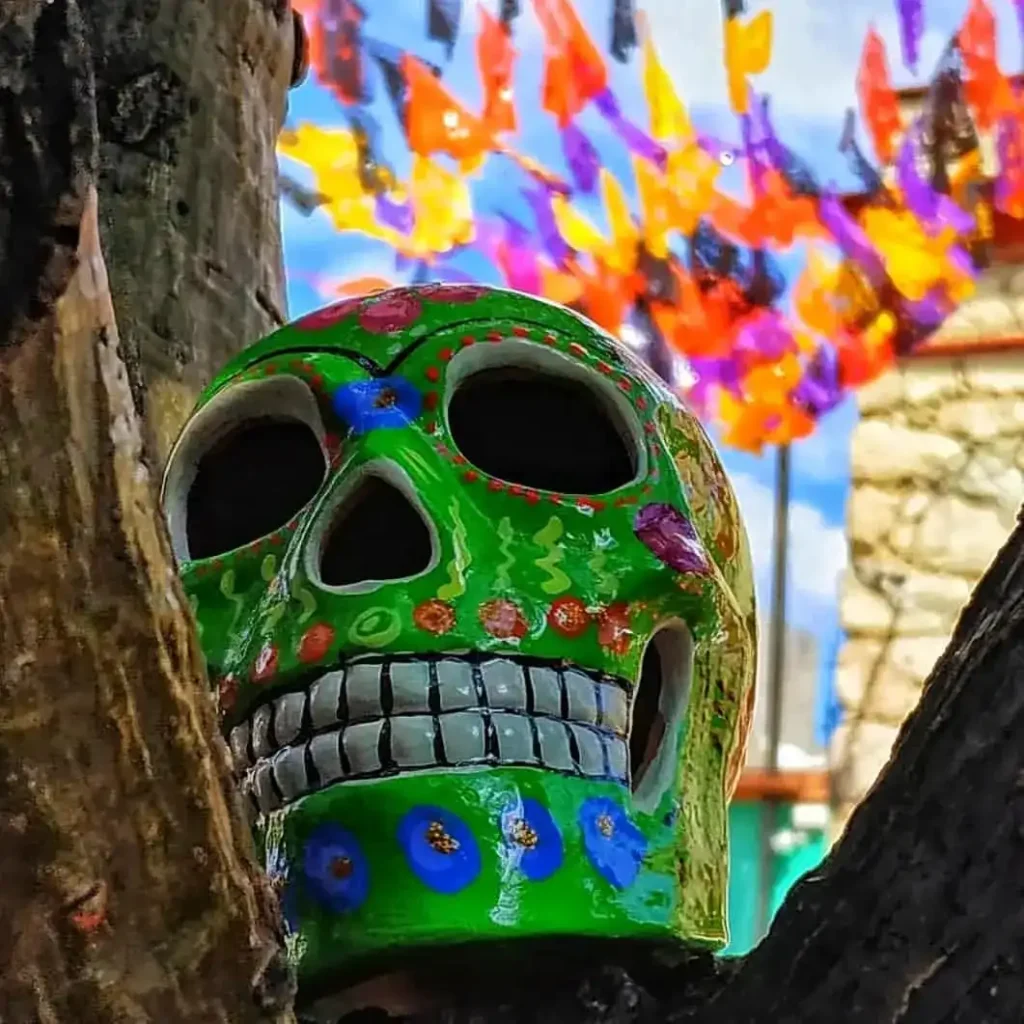
In Mexican culture, we have a saying: a person only truly dies when they are forgotten.
El Día de Muertos (Day of the Dead) is a cherished Mexican tradition where families come together to remember ancestors and loved ones who have passed away. Rather than mourning with sadness, we celebrate their memories with joy, color, music, and food.
If you want to understand the true origin, meaning, and traditions behind Mexico’s most famous holiday, here is everything you need to know.
Why Do Mexicans Celebrate Day of the Dead?
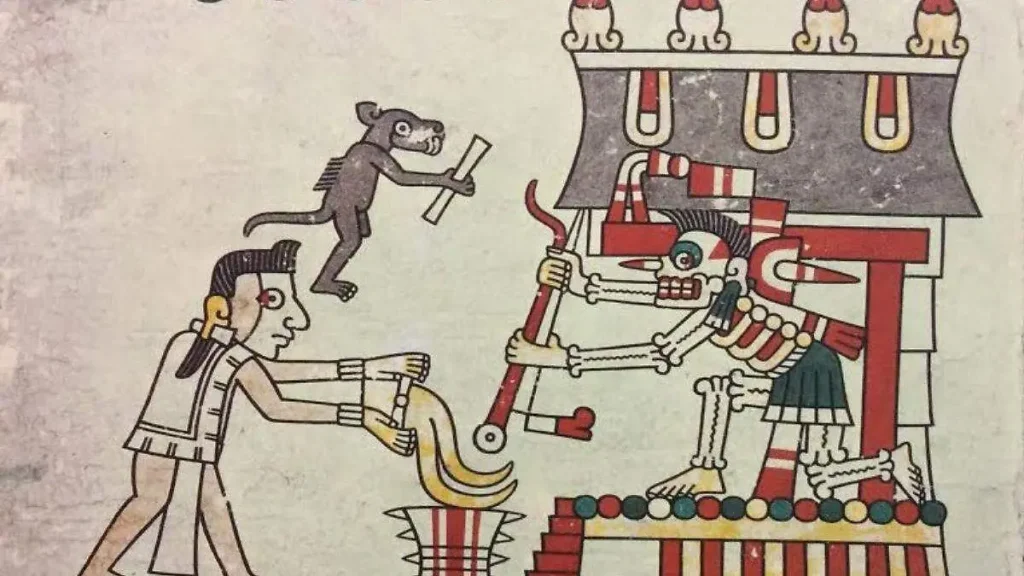
The origins of Day of the Dead (Día de Muertos) lie deep in indigenous Mesoamerican worldviews, particularly among the Aztec, Maya, and Zapotec cultures. Historically, this period marked the end of the agricultural harvest in late autumn. Indigenous communities believed that during this transition, the gates between the world of the living and the spirit realm opened briefly, allowing souls to return home.
With the Spanish arrival in the 16th century, these ancestral traditions blended with Catholic observances—specifically All Saints’ Day and All Souls’ Day—creating the unique syncretic holiday celebrated across Mexico today.
When Is Day of the Dead Celebrated?
While the official holiday takes place on November 1st and 2nd, preparations start earlier:
October 31st: Families head to local markets (mercados) to buy fresh cempasúchil flowers, sugar skulls, candles, and traditional foods to build their altars (ofrendas).
November 1st (Día de los Inocentes / Angelitos): Dedicated to the spirits of children who passed away. According to belief, their souls arrive at midnight on October 31st and stay until midday on November 2nd.
November 2nd (Día de los Fieles Difuntos): Dedicated to adult spirits, who arrive to enjoy the offerings prepared by their loved ones.
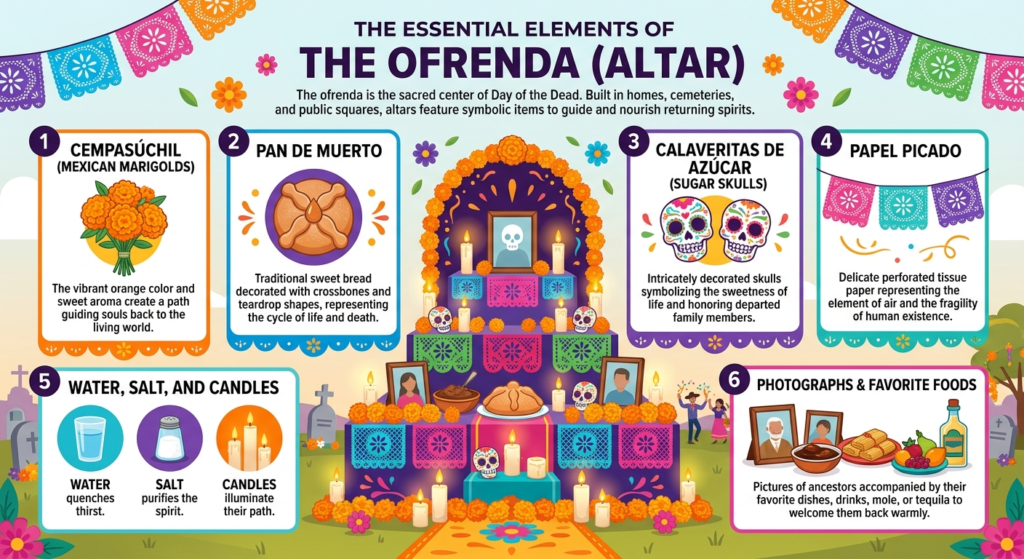
The Essential Elements of the Ofrenda (Altar)
The ofrenda is the sacred center of Day of the Dead. Built in homes, cemeteries, and public squares, altars feature symbolic items to guide and nourish returning spirits:
Cempasúchil (Mexican Marigolds): The vibrant orange color and sweet aroma create a path guiding souls back to the living world.
Pan de Muerto: Traditional sweet bread decorated with crossbones and teardrop shapes, representing the cycle of life and death.
Calaveritas de Azúcar (Sugar Skulls): Intricately decorated skulls symbolizing the sweetness of life and honoring departed family members.
Papel Picado: Delicate perforated tissue paper representing the element of air and the fragility of human existence.
Water, Salt, and Candles: Water quenches the soul’s thirst after a long journey, salt purifies the spirit, and candles illuminate their path.
Photographs & Favorite Foods: Pictures of ancestors accompanied by their favorite dishes, drinks, mole, or tequila to welcome them back warmly.
Day of the Dead in Mexican Art & Folklore
Art plays a central role in how Mexicans depict death:
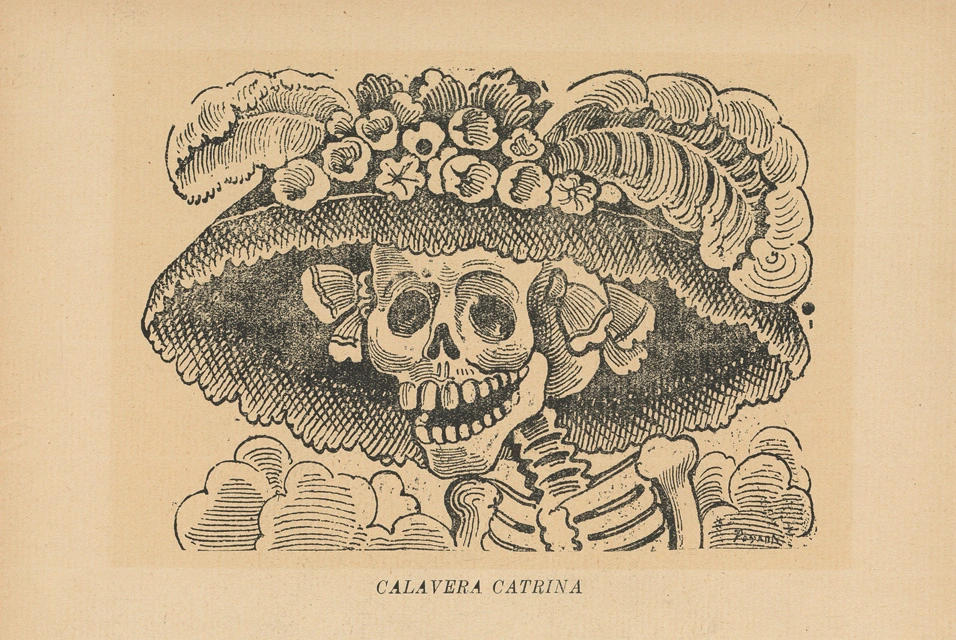
José Guadalupe Posada & La Catrina: Printmaker José Guadalupe Posada created the iconic Calavera Garbancera as a satirical critique of Mexicans who denied their indigenous heritage. Later, muralist Diego Rivera renamed her La Catrina, cementing her as the global symbol of Día de Muertos.
Calaveras Literarias: During the holiday, newspapers and magazines publish satirical poems called calaveras literarias. Written in lighthearted rhyming verse, these poems poke fun at politicians, celebrities, or friends as if Death were visiting them.
Day of the Dead Music: Songs for Your Travel Playlist
Music accompanies the spirits on their journey. Add these classic and contemporary tracks to your Día de Muertos playlist:
“La Llorona” – Natalia Lafourcade
“Brindo por la Vida” – Mario Bautista
“Dicen Que La Muerte” – Rodrigo González
“Entre Flores” – Los Vaguens
“La Bruja” – Traditional Mexican Folk (Veracruz
Day of the Dead in Cinema: Beyond Pixar’s Coco
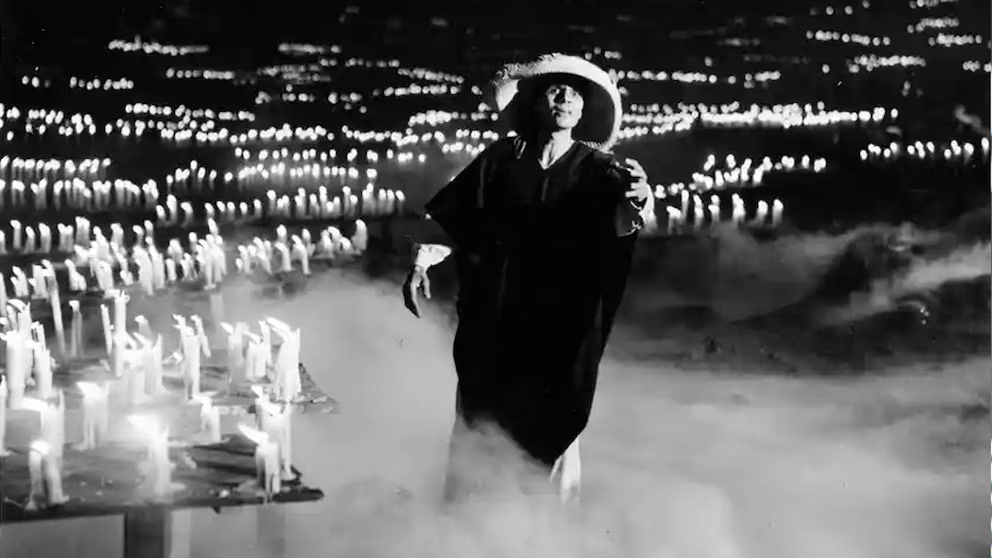
While Pixar’s Coco brought the beauty of this holiday to an international audience, Mexican cinema has its own legendary masterpiece: Macario (1960).
Directed by Roberto Gavaldón, Macario is a cult classic that explores a poor woodcutter’s encounter with Death on the eve of Day of the Dead. It is widely regarded as one of the best films in Mexican history and is a must-watch for film enthusiasts.
Respectful Tips for Travelers
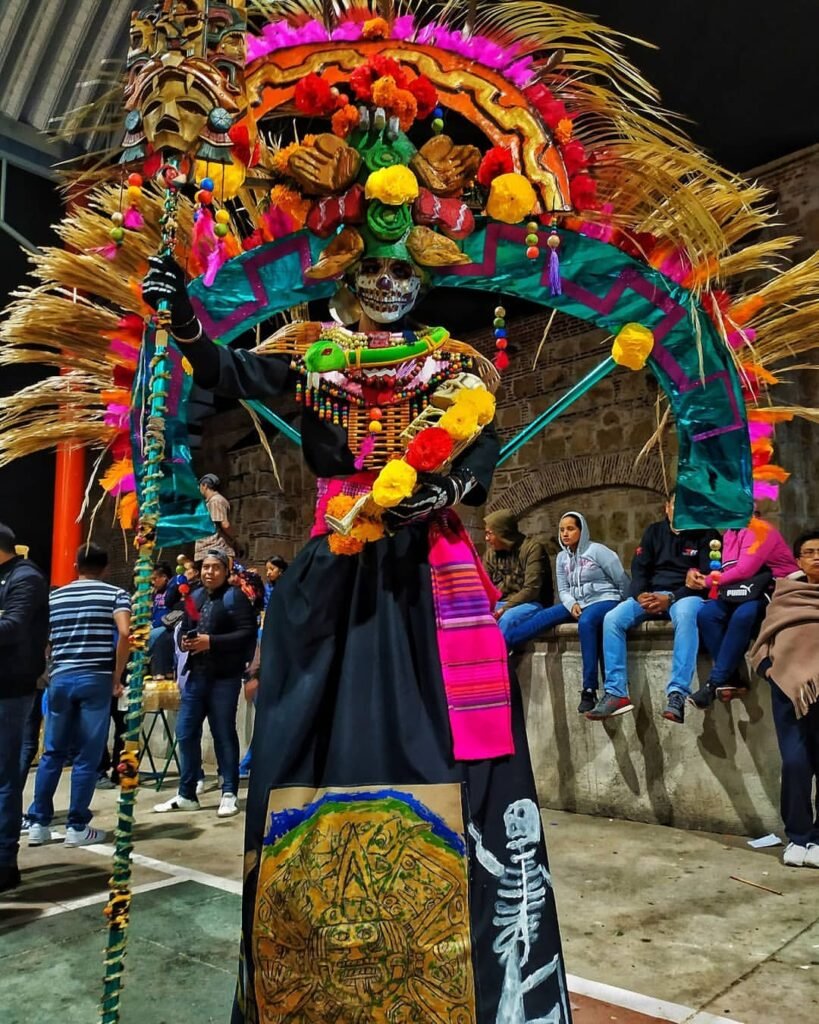
If you plan to visit Mexico during Día de Muertos (popular destinations include Oaxaca, Pátzcuaro/Janitzio in Michoacán, and Mixquic in Mexico City):
Respect Cemetaries: Remember that pantheons are sacred spaces where families gather to remember loved ones. Always ask before taking photos of individuals or private altars.
Support Local Artisans: Purchase your papel picado, pan de muerto, and sugar skulls from traditional street markets to support local families.
You might be interested in reading The Day of the Dead in Oaxaca
Final Thoughts
El Día de Muertos is not a spooky or scary event like Halloween—it is a heartfelt celebration of memory, love, and community. We honor those who came before us as if they were still standing among us. Because in the end, solo muere aquel que es olvidado (only those who are forgotten truly die).