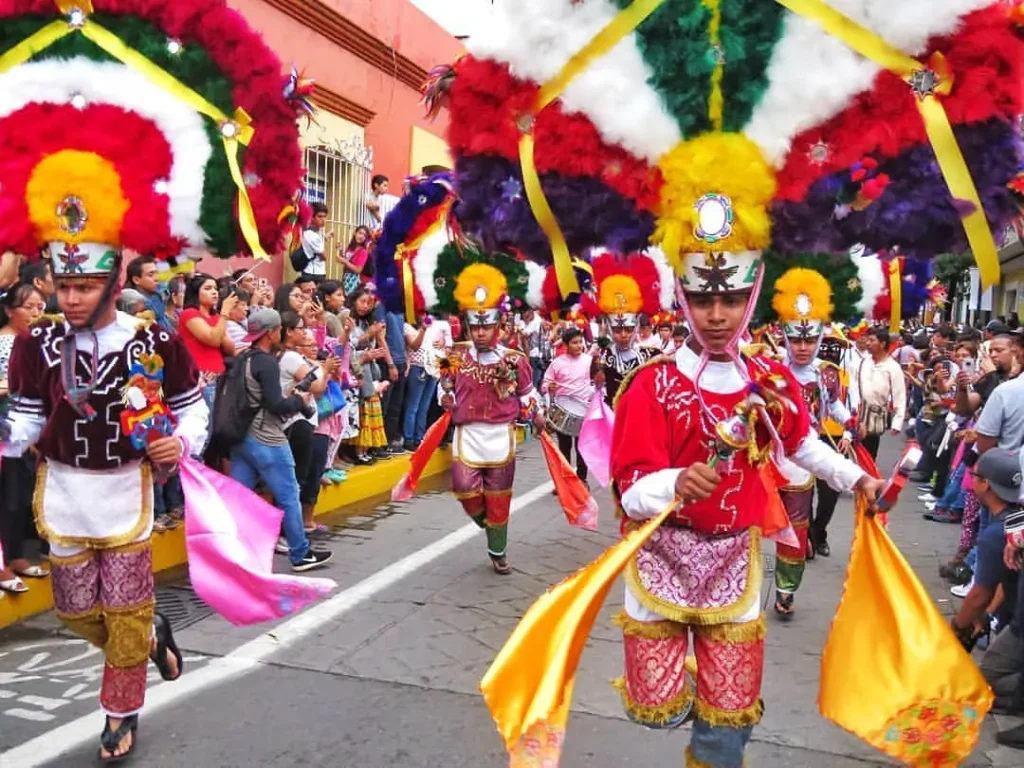
If there is one defining trait shared by Oaxaqueños (Oaxacans), it is an unbreakable resilience—a deep-seated commitment to supporting one another through times of hardship and triumph alike. This spirit of mutual aid and community solidarity is the true foundation of the Guelaguetza Festival, widely recognized as the most vibrant multicultural celebration in the Americas.
In this post, we will explore the pre-Hispanic origins of the festival, its evolution following a historic catastrophe, and the core elements that make this celebration a living testament to Oaxacan heritage.
Guelaguetza Festival 2027 Dates and Ticket Sale:
Main Events (Lunes del Cerro): Monday, July 19, and Monday, July 26, 2027. These are the dates for the official morning and afternoon Guelaguetza folk-dance presentations.- Presale (Mid-May 2027): Usually, 15% of the total tickets are released. It typically offers temporary exclusivity for a participating bank (frequently Citibanamex, with interest-free monthly payment options).
- Regular Sale (Starting June 1, 2027): This is open to the general public, accepting all credit cards, debit cards, or cash payments at physical locations.
Why Does the Guelaguetza Festival Exist Today? From Earthquake to Rebirth
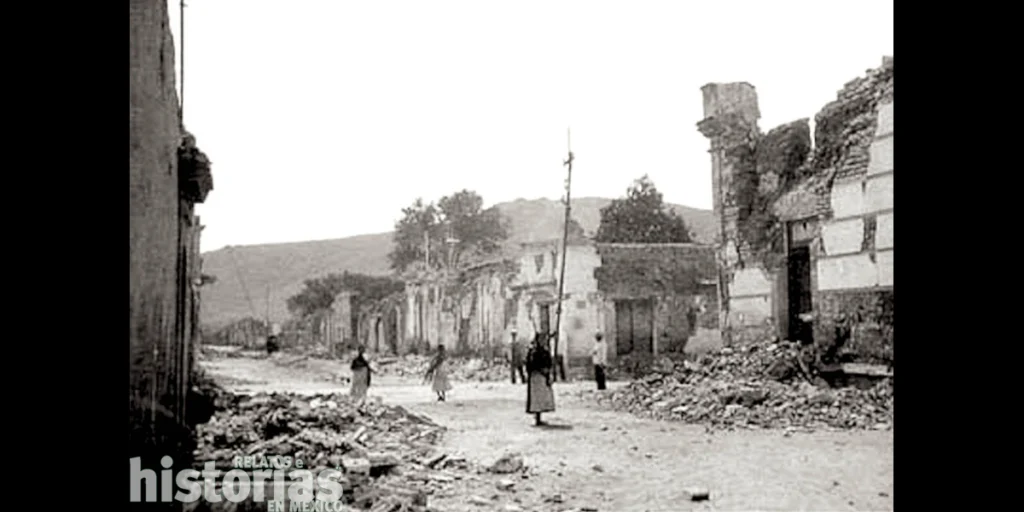
While the roots of the gathering are centuries old, the modern Guelaguetza Festival as an official statewide event was born out of crisis and collective recovery.
On January 14, 1931, a catastrophic earthquake measuring 7.8 on the Richter scale struck the city of Oaxaca, leaving widespread destruction, loss of life, and severe economic hardship in its wake. In response to the tragedy, state governor Francisco López Cortés and civic leaders sought a way to lift the spirits of the people and unite the diverse regions of the state.
A year later, on April 25, 1932, Oaxaca held the Homenaje Racial (Racial Homage) to mark the 400th anniversary of Oaxaca City being granted royal city status. Delegations from across Oaxaca gathered on Fortín Hill to perform traditional regional dances, wear their native attire, and exchange regional gifts (guelaguetza). What began as a message of solidarity and hope after tragedy blossomed into the annual statewide cultural celebration we know today.
What Does “Guelaguetza” Mean?
The word Guelaguetza comes from the indigenous Zapotec language (Guendalezaz), one of 16 distinct indigenous languages spoken across the state of Oaxaca, Mexico.
At its core, Guelaguetza means sharing, cooperation, and reciprocity. It refers not just to a festival, but to a fundamental cultural practice: offering help or gifts to your neighbors with the understanding that when you are in need, the community will return the gesture. In Oaxaca, this ethos is closely tied to tequio—unpaid collective labor for the common good.
Pre-Hispanic Roots: Ancient Harvest Rituals
Long before Spanish colonizers arrived in Mesoamerica, the Zapotec and Mixtec peoples held annual midsummer gatherings on the slope of Fortín Hill (known in Zapotec as Dani Baá).
These ancient ceremonies were deeply tied to the agricultural calendar. Communities gathered to offer sacrifices and dances to deities of rain, earth, and agriculture, giving thanks for the summer rains and praying for a bountiful harvest. When Catholic missionaries established themselves in Oaxaca during the colonial era, these indigenous summer rituals merged with the feast day of Our Lady of Mount Carmel (la Virgen del Carmen), laying the groundwork for what locals still call Los Lunes del Cerro (Mondays on the Hill).
The Sacred Connection to Corn and La Diosa Centéotl
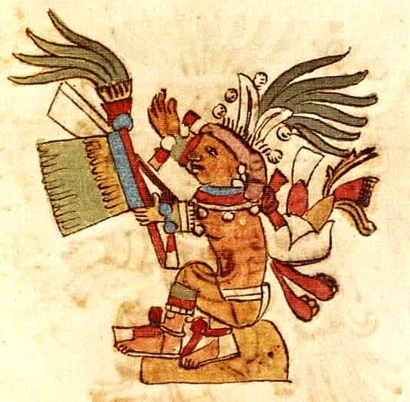
In Mesoamerican civilization, corn (maíz) is far more than a staple crop—it is considered sacred, the very foundation of human life and identity. The timing of Guelaguetza directly reflects this reverence, taking place during the key growth period of the tender summer corn.
A central figure of the modern Guelaguetza celebration is La Diosa Centéotl (The Goddess of Tender Corn). Today, a statewide delegation selects a representative to embody Centéotl and preside over the festival alongside official leaders.
Unlike conventional pageants, the election of La Diosa Centéotl is strictly cultural:
Women representing delegations from across Oaxaca’s 8 official geographical regions participate.
Candidates are evaluated on their deep knowledge of ancestral history, oral traditions, indigenous languages, culinary heritage, and traditional handwoven textiles (huipiles).
The chosen representative carries the ceremonial scepter of corn throughout the festival, serving as an ambassador of indigenous wisdom.
Where and When Is Guelaguetza Celebrated?
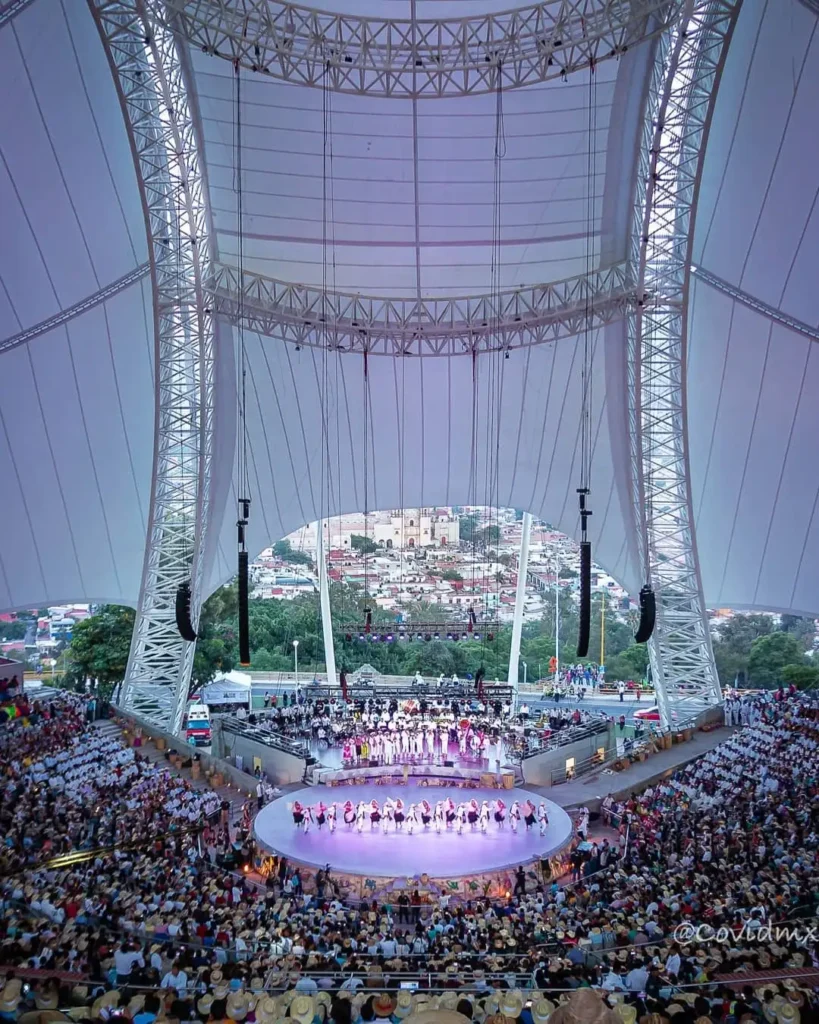
Where: The main performances take place at the iconic Auditorio Guelaguetza, an open-air amphitheater perched on the slopes of Cerro del Fortín overlooking Oaxaca City. This historic site was originally known as La Rotonda de la Azucena.
When: Guelaguetza is celebrated every year on the last two Mondays of July, known nationwide as Los Lunes del Cerro.
Frequently Asked Questions (FAQ) for Visitors
1. Do I need tickets to attend Guelaguetza?
Yes, for the official main shows at the Auditorio Guelaguetza, tickets are required for Sections A and B (the front and middle sections with assigned seating). Tickets usually go on sale in late May or June via official state tourism platforms and primary ticket distributors.
Sections C and D (the upper sections) are free to the public on a first-come, first-served basis. However, lines start forming extremely early in the morning, so plan accordingly if you choose the free sections.
2. Can I experience Guelaguetza without tickets to the auditorium?
Absolutely! The entire month of July in Oaxaca City is filled with free cultural events, including:
Desfiles de Calendas (Street Parades): Vibrant processions featuring giant papier-mâché puppets (monos de calenda), brass bands, marmotas (traditional paper lanterns), and dancers from all 8 regions winding through the historic center.
Feria Internacional del Mezcal: A massive festival celebrating local mezcal producers, artisanal foods, and crafts.
Bani Stui Gulal & Donají… La Leyenda: Theatrical outdoor re-enactments of pre-Hispanic history and local legends held on the weekends preceding Lunes del Cerro.
3. What should I bring to the Auditorio Guelaguetza?
The main shows run twice each Monday (morning show around 10:00 AM and evening show around 5:00 PM). Because the auditorium is on an open hill, bring:
Sun protection: Sunscreen, a wide-brimmed hat, and sunglasses (especially for the morning show).
A light jacket or poncho: Afternoon rain showers are common during July’s rainy season.
A small tote bag: Dancers throw gifts (pan de yutla, fruits, crafts, and coffee) into the audience during the guelaguetza gift-giving ritual!
4. How far in advance should I book my trip to Oaxaca for Guelaguetza?
Because Guelaguetza is Oaxaca’s highest-traffic tourist season alongside Day of the Dead, it is strongly recommended to book your hotel or rental accommodation 4 to 6 months in advance. Flights into Oaxaca International Airport (OAX) also fill up quickly and spike in price as July approaches.
5. Is Guelaguetza suitable for families and solo travelers?
Yes, Guelaguetza is very safe, family-friendly, and welcoming. The streets are bustling with cultural activity, family workshops, and security presence throughout the historic downtown area.
Summary: A Living Tradition of Solidarity
The Guelaguetza is far more than a colorful stage performance for visitors—it is the living heart of Oaxacan culture. By coming together each year to share music, dance, food, and handmade crafts from all 8 regions, Oaxacans honor their pre-Hispanic ancestors and demonstrate that unity and mutual support can overcome any adversity.