
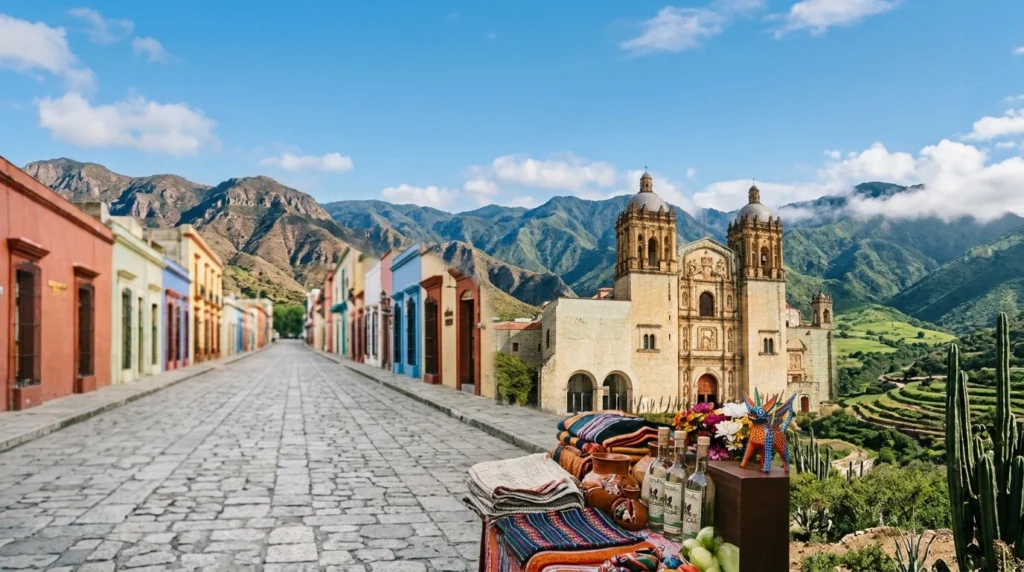
Oaxaca is widely celebrated as the cultural soul of Mexico. Nestled in the country’s southwestern highlands, this extraordinary state seamlessly blends ancient Zapotec and Mixtec heritage, world-class gastronomy, vibrant musical traditions, and unmatched ecological diversity.
If you are planning your first trip or looking to experience the region beyond the standard tourist trail, these fascinating facts—paired with practical local advice—will help you navigate Oaxaca’s rich history, diverse landscapes, and living traditions.
1. World-Renowned Heritage & Living Culture
Oaxaca’s global prestige isn’t just travel hype; it is anchored in recognized historical, geological, and community significance.
Joint UNESCO World Heritage Status: On December 11, 1987, UNESCO jointly declared Oaxaca City’s Historic Center and the ancient Zapotec capital of Monte Albán as World Cultural Heritage Sites.
Traveler Takeaway: Pair your visit to Monte Albán’s hilltop pyramids in the morning with an afternoon self-guided walking tour of the Historic Center’s quiet pedestrian streets.
Intangible Cultural Heritage of Humanity: Traditional Oaxacan gastronomy—built on native corn varieties, wild agaves, complex moles, and ancestral cooking methods—was vital in earning traditional Mexican cuisine its UNESCO designation in 2010.
Traveler Takeaway: Skip tourist-trap eateries for lunch and visit traditional market halls like Mercado 20 de Noviembre or head to regional Sunday markets in the Central Valleys.
Geological Heritage (La Cantera Verde): The iconic green stone that gives Oaxaca City its nickname (La Verde Antequera)—La Cantera Verde (volcanic green tuff)—was officially named an International Heritage Stone by the International Union of Geological Sciences (IUGS).
Traveler Takeaway: Walk along Calle de Alcalá during early morning light to see the green hues of the historic facades at their most vibrant.
UNESCO Living Heritage Pioneer: Oaxaca became the first city in Latin America and the Caribbean to launch a community-driven inventory of its living heritage under UNESCO’s regional initiative.
Warm Climates (Sea Level to 1,000 m)
Warm Humid & Sub-Humid: Includes thick tropical rainforests in the northern slopes and dry coastal savannas along the Pacific.
Key Destinations: Tuxtepec, Puerto Escondido, Huatulco, and the Istmo de Tehuantepec.
Traveler Tip: If heading to the coast or lowlands, pack breathable linen, high-SPF sunscreen, and bug protection.
Semi-Warm Climates (1,000 to 1,600 m)
Highland Cloud Forests: Regular mist and cooler mountain air foster dense cloud forests—the exact microclimate required for Oaxaca’s world-renowned shade-grown specialty coffee.
Key Destinations: Pluma Hidalgo, Miahuatlán, and lower La Cañada.
Traveler Tip: Bring a lightweight waterproof jacket and trail shoes if visiting coffee fincas in Pluma Hidalgo, as rain and fog can roll in quickly.
Temperate Climates (1,500 to 2,500 m)
High Valleys & Pine-Oak Forests: Characterized by warm sunny days and cool, crisp nights year-round.
Key Destinations: Oaxaca City (Valles Centrales), Zaachila, Tlaxiaco, and the Sierra Norte entry points.
Traveler Tip: Dress in layers. Oaxaca City can feel hot at midday under direct sunlight, but temperatures drop significantly once the sun sets behind the mountains.
Cold & Semi-Cold Climates (2,800 m+)
High Alpine Summits: High-altitude mountain ridges dominated by oyamel fir forests where winter frosts are common and temperatures drop below 12°C (53.6°F).
Key Destinations: Cerro Quie Yelaag (Sierra Sur) and Mount Zempoaltépetl (Mixe region).
Traveler Tip: If trekking in the high Sierra or visiting high-altitude villages like Cuajimoloyas, pack a heavy fleece, warm socks, and thermal base layers—even during dry season.
Arid & Rain-Shadow Microclimates
Desert Canyons: High mountain ridges block ocean rain clouds, creating semi-arid rain-shadow zones packed with giant columnar cacti.
Key Destinations: The Tehuacán-Cuicatlán Biosphere Reserve and pockets of the Mixteca Baja.
Traveler Tip: Bring plenty of water, a wide-brimmed hat, and sturdy shoes for cactus canyon hikes in Cuicatlán.
2. All Mexican Climates in One State: What to Pack
Due to dramatic elevation shifts—from sea-level Pacific beaches to mountain peaks exceeding 3,000 meters—Oaxaca features every major climate classification found across Mexico.
Warm Climates (Sea Level to 1,000 m)
Warm Humid & Sub-Humid: Includes thick tropical rainforests in the northern slopes and dry coastal savannas along the Pacific.
Key Destinations: Tuxtepec, Puerto Escondido, Huatulco, and the Istmo de Tehuantepec.
Traveler Tip: If heading to the coast or lowlands, pack breathable linen, high-SPF sunscreen, and bug protection.
Semi-Warm Climates (1,000 to 1,600 m)
Highland Cloud Forests: Regular mist and cooler mountain air foster dense cloud forests—the exact microclimate required for Oaxaca’s world-renowned shade-grown specialty coffee.
Key Destinations: Pluma Hidalgo, Miahuatlán, and lower La Cañada.
Traveler Tip: Bring a lightweight waterproof jacket and trail shoes if visiting coffee fincas in Pluma Hidalgo, as rain and fog can roll in quickly.
Temperate Climates (1,500 to 2,500 m)
High Valleys & Pine-Oak Forests: Characterized by warm sunny days and cool, crisp nights year-round.
Key Destinations: Oaxaca City (Valles Centrales), Zaachila, Tlaxiaco, and the Sierra Norte entry points.
Traveler Tip: Dress in layers. Oaxaca City can feel hot at midday under direct sunlight, but temperatures drop significantly once the sun sets behind the mountains.
Cold & Semi-Cold Climates (2,800 m+)
High Alpine Summits: High-altitude mountain ridges dominated by oyamel fir forests where winter frosts are common and temperatures drop below 12°C (53.6°F).
Key Destinations: Cerro Quie Yelaag (Sierra Sur) and Mount Zempoaltépetl (Mixe region).
Traveler Tip: If trekking in the high Sierra or visiting high-altitude villages like Cuajimoloyas, pack a heavy fleece, warm socks, and thermal base layers—even during dry season.
Arid & Rain-Shadow Microclimates
Desert Canyons: High mountain ridges block ocean rain clouds, creating semi-arid rain-shadow zones packed with giant columnar cacti.
Key Destinations: The Tehuacán-Cuicatlán Biosphere Reserve and pockets of the Mixteca Baja.
Traveler Tip: Bring plenty of water, a wide-brimmed hat, and sturdy shoes for cactus canyon hikes in Cuicatlán.
3. The Musical Soul of Oaxaca: How to Experience It
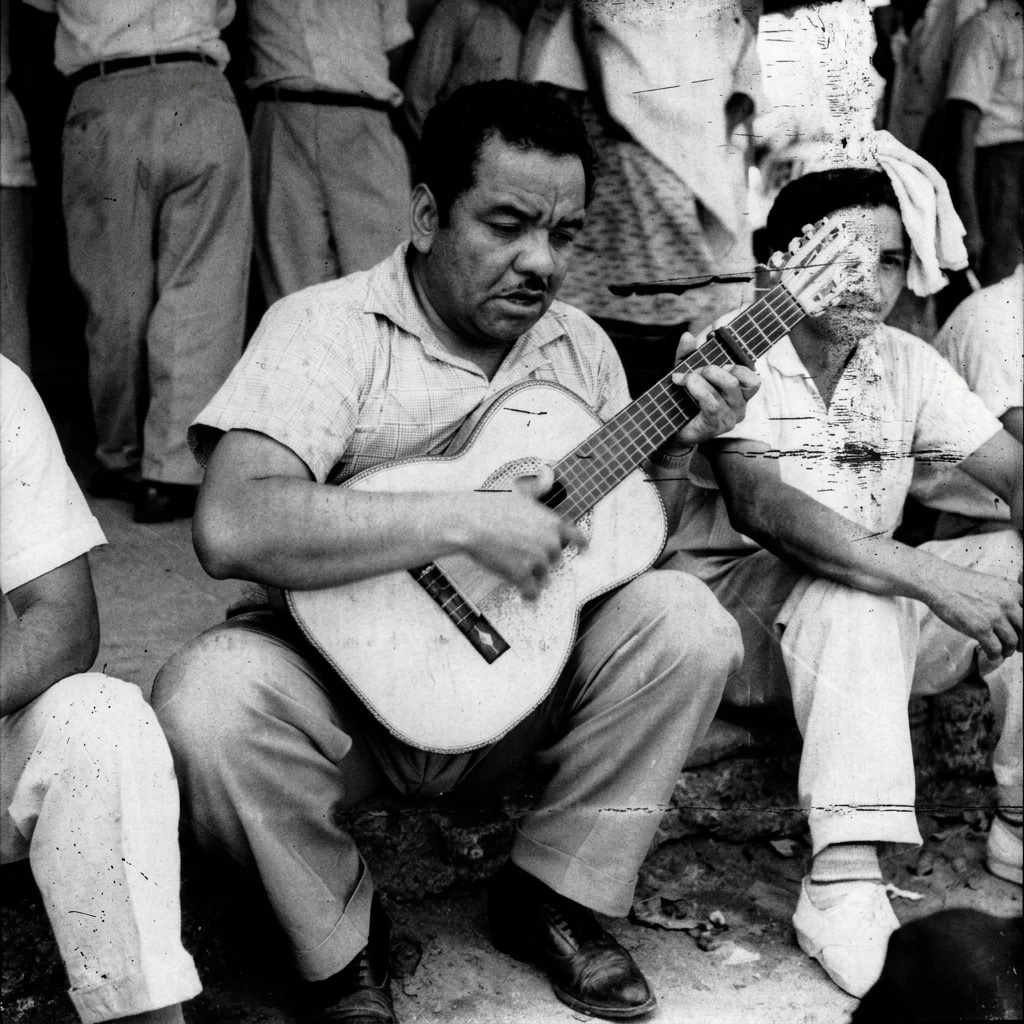
In Oaxaca, music is not passive entertainment—it is a sacred civic duty, a centerpiece of spiritual rituals, and the heartbeat of daily life across 16 indigenous ethnolinguistic groups.
Anthems of Oaxacan Identity
“Dios Nunca Muere” (God Never Dies): Composed by 19th-century musician Macedonio Alcalá, this waltz is the official emotional anthem of Oaxaca.
Traveler Etiquette: It is custom for locals to stand out of respect whenever “Dios Nunca Muere” is played live at official events or concerts.
“La Canción Mixteca”: Written by José López Alavés, this poignant piece is the universal anthem of Oaxacan migrants worldwide, capturing deep nostalgia for the homeland.
“La Sandunga” & “La Llorona”: Iconic traditional melodies from the Isthmus of Tehuantepec that celebrate Zapotec poetry and lyrical heritage.

Legendary Composers & Modern Voices
Álvaro Carrillo: Master composer of romantic boleros whose classics—including “Sabor a mí”, “Luz de luna”, and “Amor mío”—became international standards.
Lila Downs: World-renowned singer-songwriter who showcases indigenous Oaxacan languages (Zapotec, Mixtec, Mazatec) and regional textiles on international stages.
Philharmonic Wind Bands (Bandas de Viento)
Youth and community brass bands form the social backbone of villages across the Mixteca, Sierra Norte, and Isthmus regions.
Music as Civic Service: Music education is treated as a shared community gift. Youth bands perform during public holidays, calendas (vibrant street parades with giant paper-mâché puppets), and communal work days (tequios).
Where to Listen in Oaxaca City: Catch free public concerts performed by traditional brass bands under the laurel trees in the main Zócalo on Sunday afternoons, or join a street calenda passing through the historic center.
Regional Genres & Modern Innovation
Sones and Jarabes: Upbeat dance forms like the Jarabe Ejuteco come alive during patron saint celebrations and the famous Guelaguetza festival every July.
Chilenas: A rhythmic genre unique to the Costa Chica region, reflecting deep Afro-Mexican heritage and South American influences.
Indigenous Musical Fusion: Modern Oaxacan musicians preserve native languages like Ayuujk (Mixe) and Zapotec by blending traditional instruments with modern rap, jazz, and electronic music.